

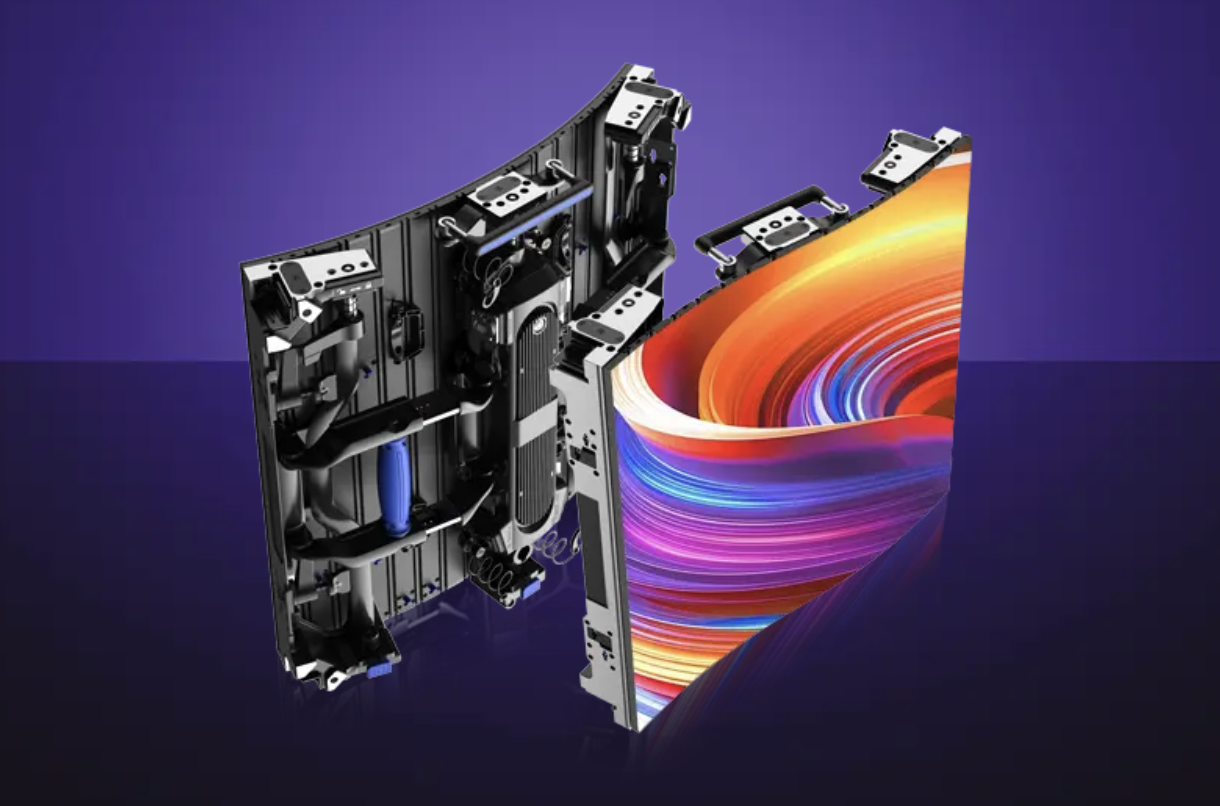
Flexible LED screens can make an event look more dimensional, but they still have to obey ordinary physics. Curves, waves, corners, and cylinders all add visual interest. They can also add structural questions that a flat wall might not raise.
Safety planning should happen before the screen design is approved, not after the creative deck wins the room.
Rigging Comes Before the Visual
Every LED screen has weight, wind exposure, cable load, and service requirements. A flexible screen may also have curved geometry that changes how forces move through the structure.
Event teams should confirm the rigging method, support frame, hanging points, ballast requirements, and venue limitations. If the screen is outdoors, engineering review becomes even more important.
For outdoor events that need shaped screens, an outdoor rental LED screen designed for curved use is more appropriate than forcing a standard indoor display into a festival environment.
Wind Is Not a Small Detail
Outdoor LED walls can behave like sails. Curved shapes may catch wind differently than flat walls, depending on their orientation and structure. Local conditions, stage height, surrounding buildings, and temporary structures can all affect risk.
Event producers should request wind-rating information, follow local requirements, and establish a weather action plan. The question is not only whether the screen can handle normal conditions. It is what happens when conditions change quickly.
Power Planning Must Be Specific
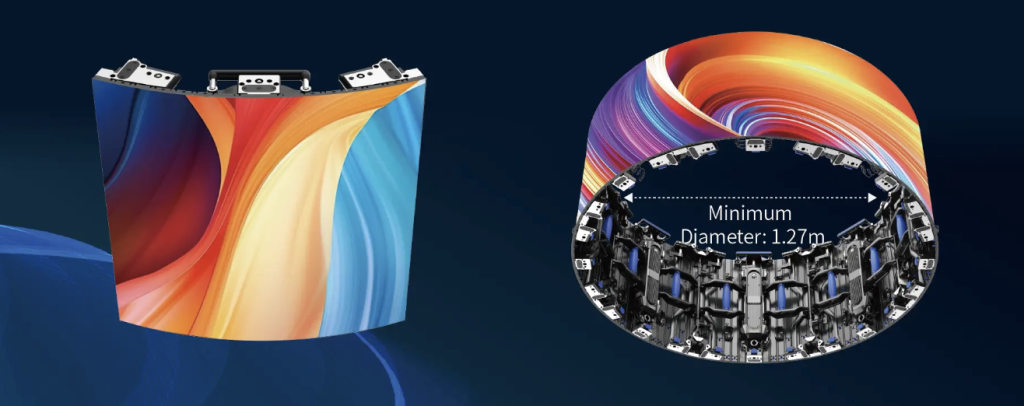
Flexible LED screens can involve unusual cable paths, especially around curves and corners. Power distribution should be planned with real panel counts, brightness assumptions, operating hours, and backup needs.
According to the International Energy Agency, global electricity demand is being pushed upward by multiple sectors, including buildings and digital infrastructure. Temporary events are a smaller piece of that picture, but the lesson is the same: power planning has to be treated as infrastructure, not an afterthought.
Access Keeps People Safe
Technicians need safe access for installation, inspection, and maintenance. A beautiful curved screen can become a hazard if the only way to reach a failed module is by improvising during show hours.
Access planning should include lifts, ladders, backstage clearance, front-service options, and emergency procedures. Public access should also be considered. If guests can touch the display, edge protection and barriers may be needed.
Safety Questions to Ask
Before approving an event LED design, ask:
- What is the total system weight?
- What structure supports the curve?
- What wind conditions are allowed?
- Is the product rated for outdoor use?
- Where are power and data routed?
- How are failed modules accessed?
- What is the weather shutdown plan?
Creative Screens Still Need Conservative Planning
The safest flexible LED screen is one designed with engineering and operations in the room. Creative teams should get the shape they need, but the crew should get a build they can install, inspect, and remove safely.
For outdoor curved staging and event work, the E-Swan Outdoor Series is a relevant product page to review during early safety and feasibility discussions.
An event screen should impress the audience for the right reasons: image, scale, and design, not risk.
