

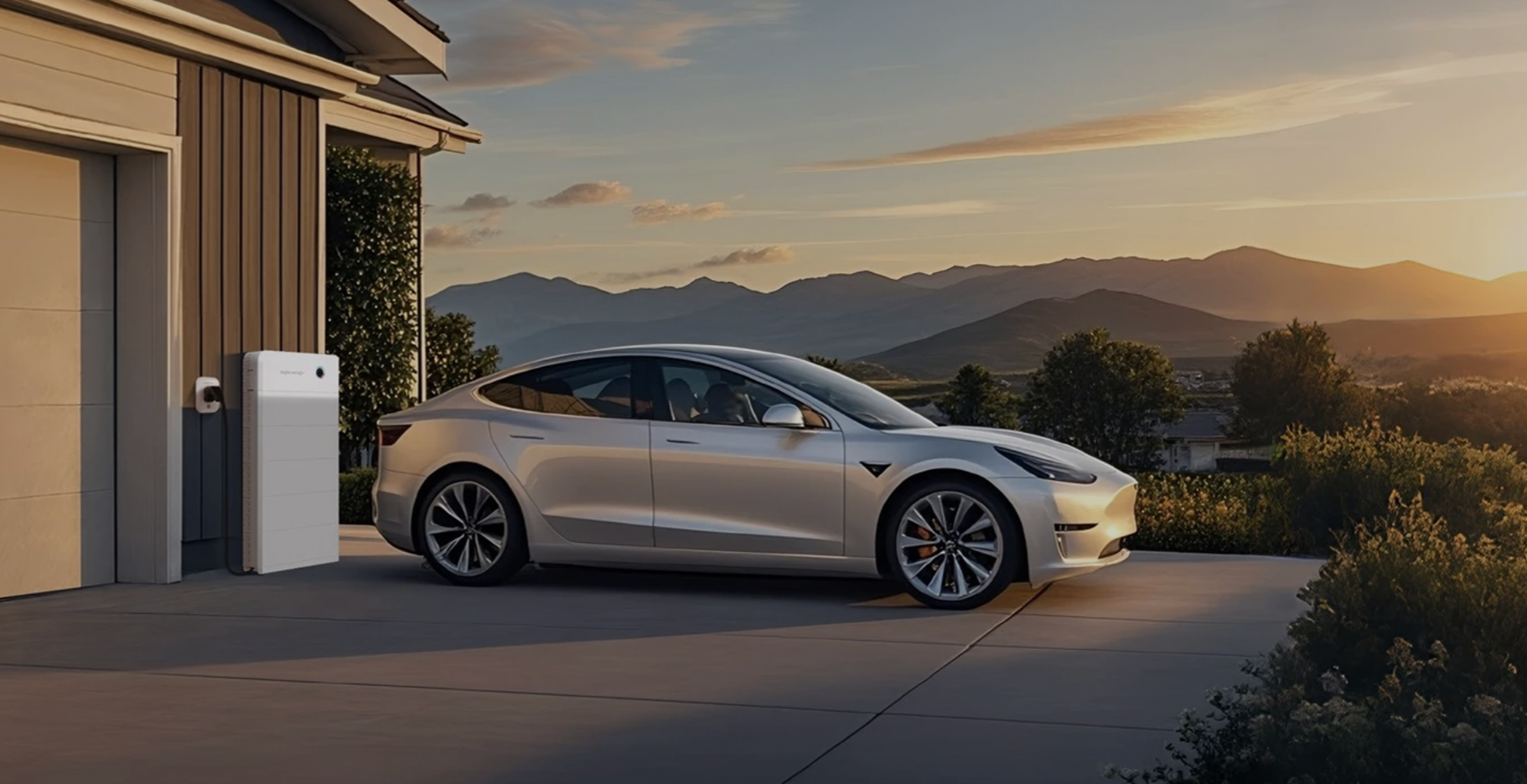
Most home EV chargers do one job: move electricity from the house to the car. A bidirectional charger adds the missing second lane. Under the right conditions, it can also move stored energy from the EV battery back to a home, a building, or the grid.
That second lane is why homeowners keep seeing terms like V2H, V2G, and V2X. They sound technical, but the idea is simple: an EV is not only transportation. It can also be a large battery on wheels.
The basic idea
Bidirectional charging means energy can flow both ways. The charger still fills the car, but it also includes the power electronics and controls needed to discharge energy safely when the system calls for it.
V2H, or vehicle-to-home, sends power from the EV to household loads. V2G, or vehicle-to-grid, sends power back to the utility grid when rules, tariffs, and interconnection approvals allow it. V2X is the umbrella term that covers vehicle-to-home, vehicle-to-grid, vehicle-to-building, and related use cases.
The International Energy Agency’s Global EV Outlook notes that electric vehicles are becoming part of broader electricity planning, not just auto sales. That matters because parked cars could become flexible energy assets if hardware, software, and policy line up.
What happens inside the system
In a normal AC home charger, the car’s onboard charger converts AC power from the house into DC power for the battery. A DC bidirectional system moves that conversion outside the vehicle and manages DC energy flow more directly. That is why compatibility, communications standards, and vehicle support matter so much.
For a home setup, the charger usually needs to coordinate with the EV battery, the home electrical panel, any solar or stationary battery system, and utility export rules if grid services are planned.
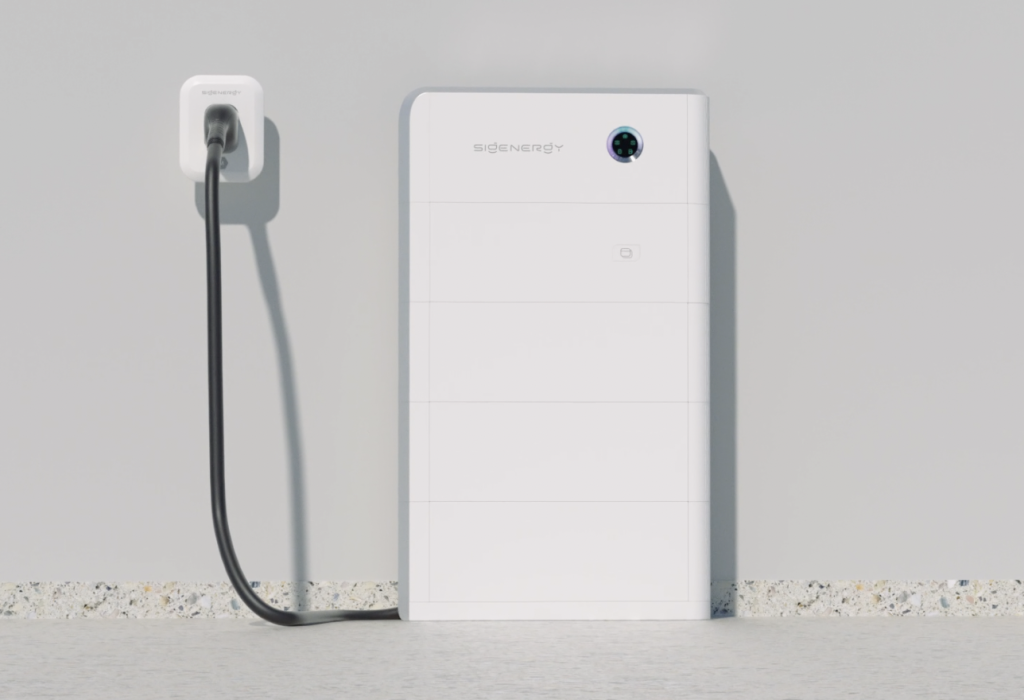
This is where a product such as the SigenStor EV DC bidirectional EV charging module fits naturally into the conversation. According to Sigenergy’s product information, it is designed around a 25 kW DC charging architecture and supports V2H, V2G, and V2X use cases when the vehicle and local rules allow them.
What homeowners should ask first
The first question is not “Can it discharge?” It is “What should it discharge to?” A house that only needs a refrigerator, lights, Wi-Fi, and a few outlets during an outage has a different design problem than a fully electrified home with a heat pump, induction range, well pump, and EV.
The U.S. Energy Information Administration reports that residential electricity use varies widely by climate, home size, and equipment. A bidirectional charger can be useful, but load planning decides whether it feels seamless or frustrating.
Vehicle support is the second major filter. Some EVs offer vehicle-to-load for tools or appliances, while fewer support full V2H or V2G operation. A good installer should confirm the connector type, communications protocol, warranty conditions, permitting pathway, and backup limits before recommending hardware.
Where the technology is headed
Bidirectional charging is still maturing. Utility programs vary, automakers are rolling out support at different speeds, and standards are catching up. That does not make the category speculative, but it does reward buyers who choose systems built for solar, storage, and software coordination from the start.
For homeowners comparing options, the practical next step is to look beyond the plug and evaluate the full energy pathway. The 25 kW bidirectional DC charging option from Sigenergy is worth reviewing when the goal is to connect an EV with home backup, solar charging, and future grid interaction in one plan.
